

Understanding the Importance of Engagement in Senior Life
Staying Active: A Foundation for Healthy Aging
Staying busy is not just something fun for seniors—it's important for health and happiness. When older adults keep their minds and bodies active, they enjoy more independence for longer.
Engaging in daily activities, learning new things, and connecting with others enhances every day for seniors. Older adults face real challenges including mobility issues, memory concerns, and chronic pain. Many seniors, especially those living alone, experience isolation.
Despite these hurdles, engagement matters significantly. It lifts spirits, keeps minds alert, and promotes better physical health. Engagement supports memory and cognitive function, helps manage stress and boost happiness, improves movement and balance, and brings friends and laughter into daily life.
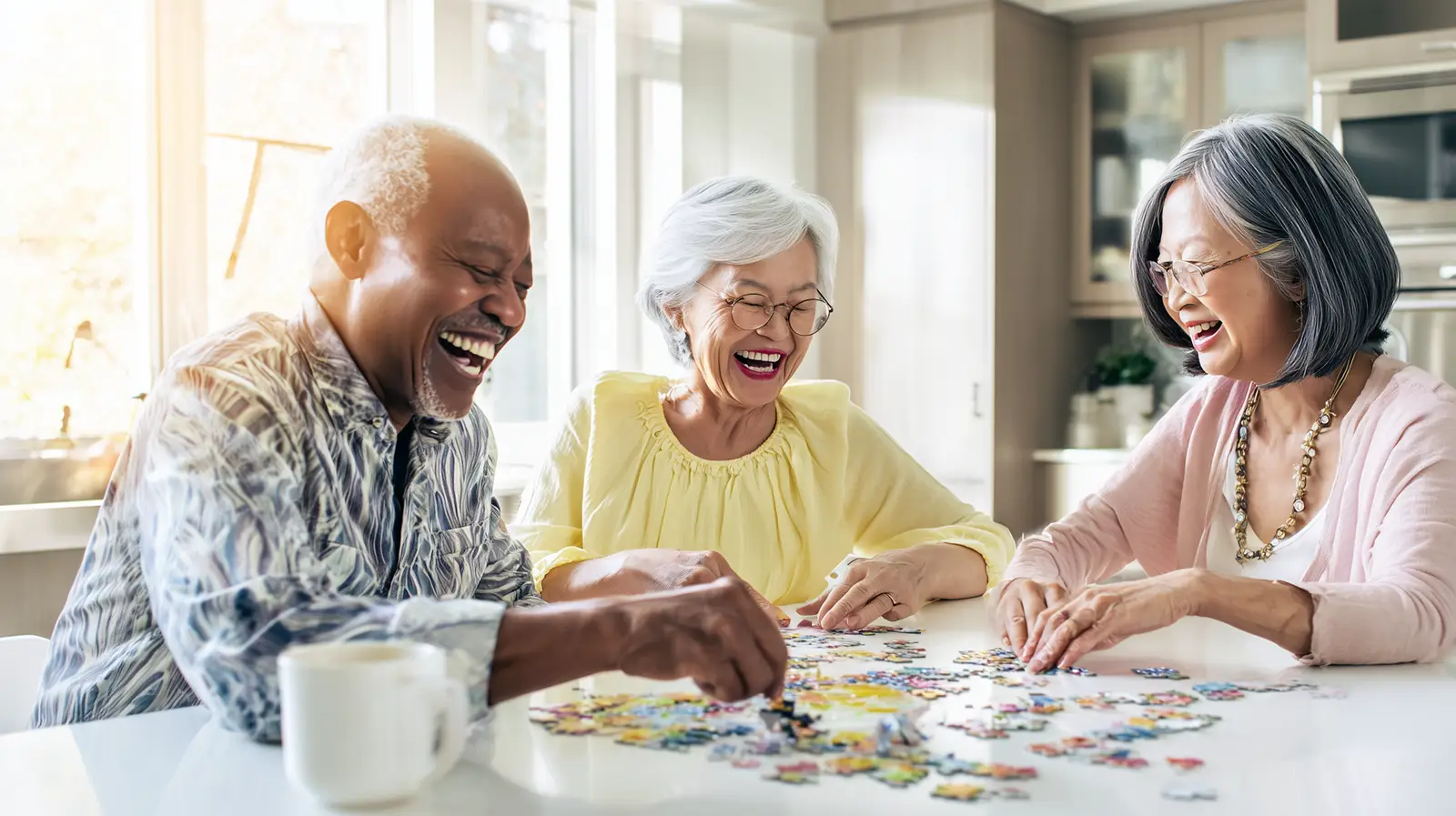
The Impact of Loneliness and Social Isolation
Research indicates 1 in 3 older adults still experience loneliness and isolation. These numbers underscore why engagement is crucial.
Feeling disconnected makes daily life harder. It might be tougher to eat healthy meals, stick to routines, or want to walk. Loneliness can make illnesses seem worse and lead to new health concerns.
How Activities Benefit Seniors' Health
Activities benefit seniors through improved memory and brain health, emotional health improvements, physical wellness gains, and social connection. Playing games, learning, and problem-solving keep minds sharp. Gentle exercise supports the body. Connection and fun raise self-esteem, reduce stress, and help manage worries. Group activities help seniors feel less alone.
Designing and Personalizing Activity Plans for Seniors
Assessing Needs and Interests
To make activity plans that spark joy, one must first get to know the seniors involved. Start by talking with each person or small groups about their hobbies, favorite pastimes, and what they wish they could do. Sometimes observing what makes them smile or what topics make them chatty can be just as helpful as asking questions.
Steps to gather information include having short interviews about favorite memories, games, or outdoor activities and getting to know preferences for both active and quiet times. Observing which activities keep their interest helps. Checking medical needs ensures activities fit physical and cognitive abilities.
Activities should be adapted to each person's needs. Seniors with memory loss might benefit from shorter or more hands-on activities. Those with mobility issues can enjoy seated games or companionship services.
It's good to work closely with family members and caregivers, as they know important details about personality, cultural values, and past work or hobbies. Understanding heritage and traditions makes each plan more meaningful.
Planning Engaging Activities: Best Practices
Every activity plan requires balance. Seniors benefit from routines that blend different types of activities.
Create a Balanced Schedule
Mix mental games like puzzles or trivia, light physical activity such as stretches or walks, and social events including small group chats or family video calls. Offer both solo and group choices. Some days, quiet craft or journal time feels right. Other days, a lively bingo game or music hour brings everyone together.
Prioritize Variety and Consistency
Rotate through favorites but add new twists often to keep boredom at bay. For example, switch up music genres during sing-alongs or try different recipes in a baking club. Anchoring the day with set routines gives comfort, especially for those living with dementia. Knowing what's next helps people look forward to their favorite moments.
Ensure Safety and Accessibility
Safety always comes first in any activity plan. Prepare each space by removing tripping hazards and keeping walkways clear. Installing nightlights or grab bars helps, and adjusting furniture can reduce risks.
Safety tips include using simple helpers like nonslip rugs or raised toilet seats and providing convenient transportation for outings or appointments. Don't let lack of a ride keep people home. Try virtual engagement ideas for seniors who can't easily leave the house or when safety is a concern.
Involve Seniors in the Planning Process
Letting seniors make choices builds confidence and motivation. Ask which activities they look forward to most. Share calendars or suggestion boxes so everyone can contribute. This sense of control helps boost mood and creates meaningful connections between seniors, families, and caregivers.
Top Recommended Activities
- Chair exercises and gentle yoga promote movement and relaxation.
- Classic games like chess, cards, or trivia boost memory and spark friendly competition.
- Intergenerational activities such as family visits and video chats build bonds and brighten days.
- Arts and crafts workshops let creativity shine through painting, paper art, or simple DIY projects.
- Music appreciation times and sing-alongs nurture old memories and work great for group engagement.
- Virtual learning opens doors to museum tours, history walks, or online classes from home.
- Gardening and accessible outdoor walks offer fresh air and nature.
- Reminiscence and storytelling sessions or journaling encourage sharing important memories and reflections.
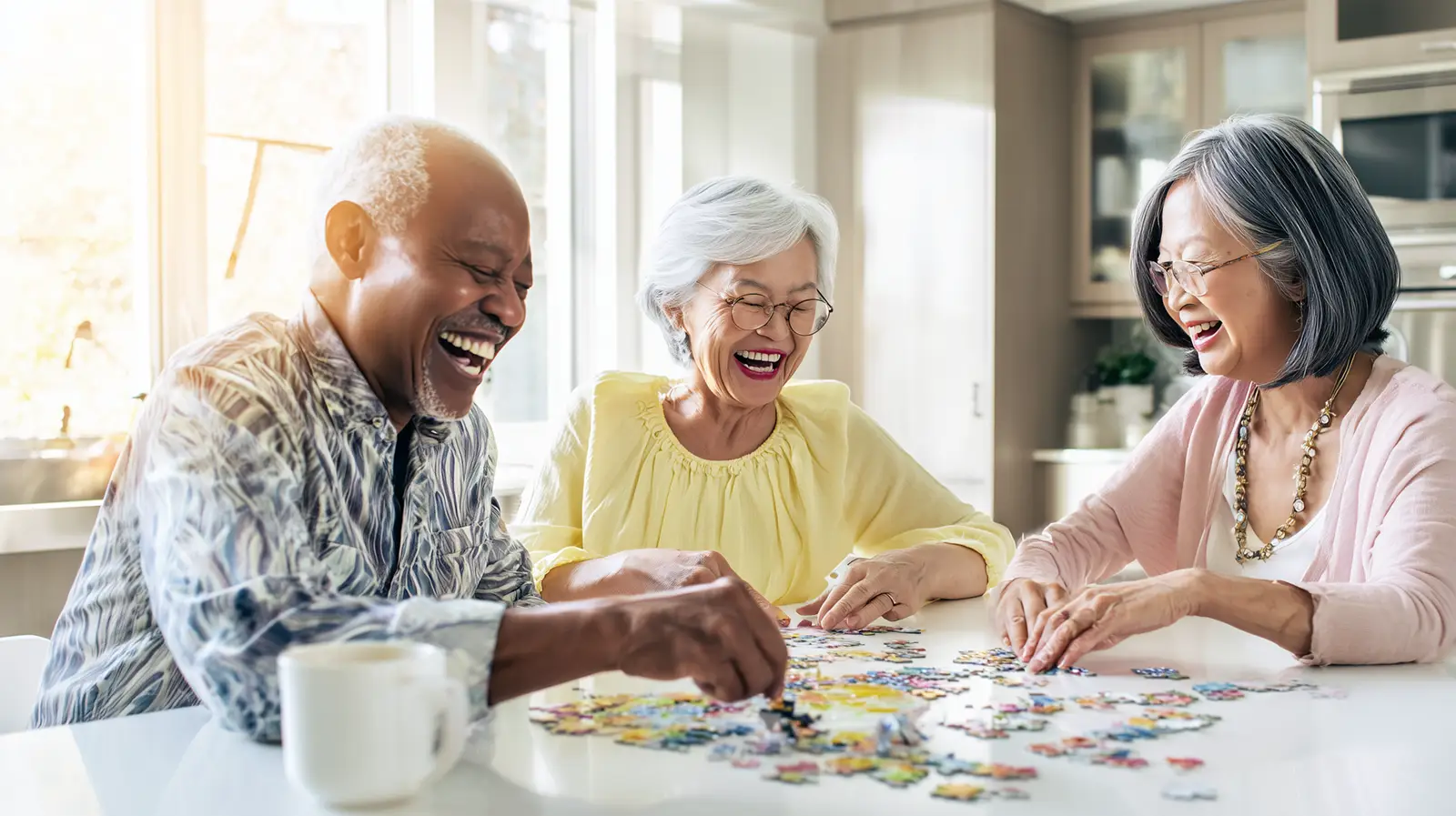
Choosing a mix from these options can meet many interests, abilities, and energy levels every week.
Technology and Modern Engagement Tools
Today, seniors have more ways than ever to connect and have fun from home. The world of virtual and remote activities is growing. Seniors can now join virtual activities like online games, music, book clubs, and friendly video chats. Video calls and group chats are a smart way to keep in touch with friends and family.
How technology helps seniors engage:
- Online games and social apps boost brain power through puzzles, word games, and trivia.
- Virtual classes and clubs for art, cooking, and gentle fitness can be joined from home.
- Tele-social visits with scheduled calls deliver both conversation and friendship.

Safe communication is key. Using assistive devices like tablets with simple controls or large-button phones lets more seniors join in. Asking a caregiver or family member for a quick lesson on using devices can make activities less intimidating.
Quick tips for better virtual engagement:
- Start slow and practice with easy apps
- Use video tutorials for step-by-step guidance
- Bookmark favorite websites and activity schedules
- Ask for help with setup and troubleshooting
Specialized Programs for Unique Needs
Every senior is unique. Some may need extra help or activities made just for them. Those with memory loss or dementia can join programs focused on specialized care. Gentle games, music therapy, and simple art projects can spark smiles and boost memories. Tailored activities give seniors a sense of purpose and keep their minds active.
People with chronic illnesses or disabilities may also need activities and routines that fit their abilities. Suggestions include chair exercises for gentle movement, seated crafts or painting, memory games and puzzles, and hand therapy with clay or putty.
Wellness should be a part of every day. Try adding fall prevention lessons and safety checks into regular schedules. With the right mix of routine activities and health education, seniors can be safer and feel more confident.
Overcoming Common Barriers to Engagement
| Barrier | Solution |
|---|---|
| Transportation/mobility | Reliable transportation services |
| Health/sensory issues | Adapt tools (large print, audio formats) |
| Low motivation | Low-pressure activities with encouragement |
| Loneliness | Group projects, regular calls, pet therapy |
| Caregiver stress | Respite care services |
Measuring Success
How do you know if these activities are really helping? The answer shows up in small, important ways. Seniors might feel happier. They may remember more or join conversations with energy. These are signs of better mood, stronger brain health, and increased independence.
Look for positive changes after starting new activities: brighter moods and more smiles, improved memory or attention, willingness to try new things, staying social with friends and family, and doing more alone or with little help.
At Home Healers Companionship Services
Our caregivers throughout Northeast Indiana—including Angola, Auburn, and Huntington—provide personalized companionship that goes beyond basic care.
We create engaging activity plans tailored to each client's interests and abilities. Our 1-on-1 sitter services ensure dedicated attention and meaningful engagement.
Contact us to learn how we can help your loved one stay active and engaged.
Frequently Asked Questions
What activities are best for seniors with limited mobility?
Chair exercises, audiobooks, video calls with family, birdwatching, painting, and music listening are all excellent options. Many activities can be adapted for seated participation while still providing mental and social stimulation.
How do activities help prevent cognitive decline in seniors?
Regular mental stimulation through activities like puzzles, reading, crafts, and social interaction helps maintain neural connections and may slow cognitive decline. Studies show engaged seniors have lower rates of depression and dementia.
How many hours a day should seniors be active?
The CDC recommends at least 150 minutes of moderate activity per week for adults 65 and older. This can be broken into short sessions throughout the day, mixing physical, mental, and social activities.