

What Are Developmental Disabilities?
Developmental disabilities, or DD, are conditions that start early in life and affect day-to-day functioning. These may be intellectual, physical, or learning-related. Some children or adults may be impacted in more than one way.
Common types of developmental disabilities include:
- Autism spectrum disorder—affecting communication and behavior.
- Down syndrome—causing cognitive delays and specific physical features.
- Cerebral palsy—impacting movement, muscle tone, or balance.
- Learning disabilities—like dyslexia or difficulty with math.
- Intellectual disabilities—affecting reasoning, learning, and problem-solving.
People with DD might need extra help to learn skills, keep healthy, and feel included. These needs can change as they grow.
Why Northeast Indiana Needs More Home Care
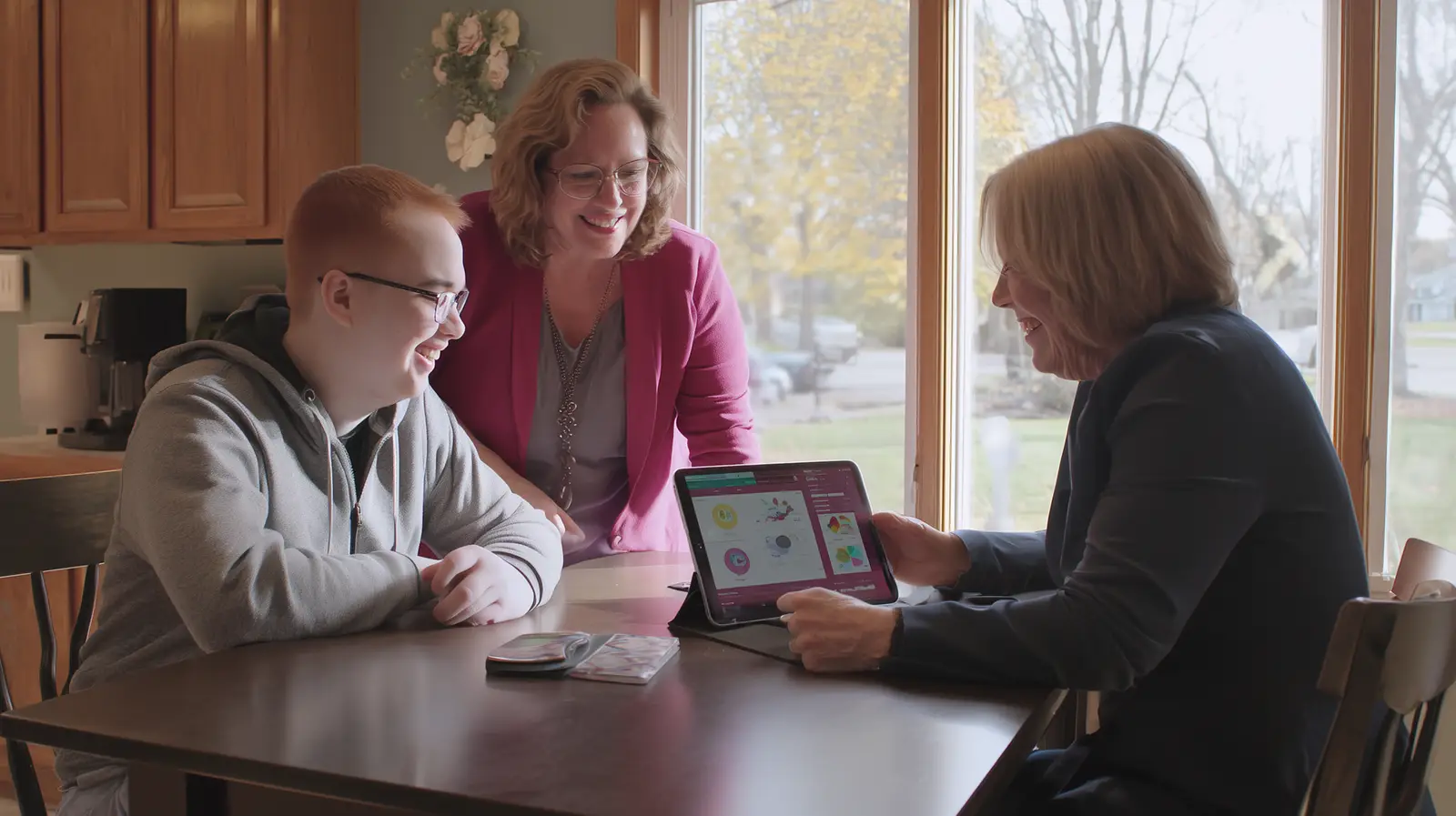
Northeast Indiana is home to many people living with developmental disabilities. The number of residents with special needs is rising as medical care and community support improve. Children with autism, youth with cerebral palsy, and adults with Down syndrome are all part of this vibrant region.
Many families and advocates have worked to shift care away from institutions and into homes and communities. More families now choose community-based or at-home care—this supports independence and personal growth in familiar surroundings.
Why Home Care Makes a Difference
People with developmental disabilities do best when living in their own homes or with family. Here's why home care is special:
- Familiar surroundings: Home feels safe and comforting.
- Personal independence: Daily routines help build confidence.
- Social inclusion: Staying in the neighborhood means better friendships.
- Custom support: Care plans fit each person's needs, not one-size-fits-all.
For many, home care can also mean better mental well-being. Studies show community living improves overall happiness and life satisfaction compared to institutional care.

Common Models of Home Care in Northeast Indiana
Families in Northeast Indiana have options when planning home care. Understanding these choices is key to finding the right fit.
Group Homes
These are shared homes where a small group of people with DD live together and get care from trained staff. Group homes often provide structure and daily support while encouraging activities and independence.
Family-Directed Care
Families manage day-to-day support—sometimes as paid caregivers, sometimes as loved ones. The care may be more flexible and can often be tailored closely to the person's wants and needs.
Individualized Home Support
Here, a person with a disability gets one-on-one support in their own home (or a family member's), usually from hired caregivers.
Funding and Medicaid Waivers
Paying for care is a major worry for many families. Indiana uses Medicaid waivers to help cover costs for eligible people. Waivers let people get care at home instead of in a facility.
Examples of what waivers may cover:
- Personal care support
- Help with daily living tasks
- Therapies and health services
- Community activities
Waivers have rules for who qualifies and how much they fund. Private insurance or family payment can fill gaps when waivers aren't enough.
Services Offered by Home Care Agencies
Home care agencies in Northeast Indiana offer a broad range of supports, such as:
- Personal care: Help with bathing, dressing, and hygiene.
- Daily living assistance: Meal planning, light housekeeping, laundry.
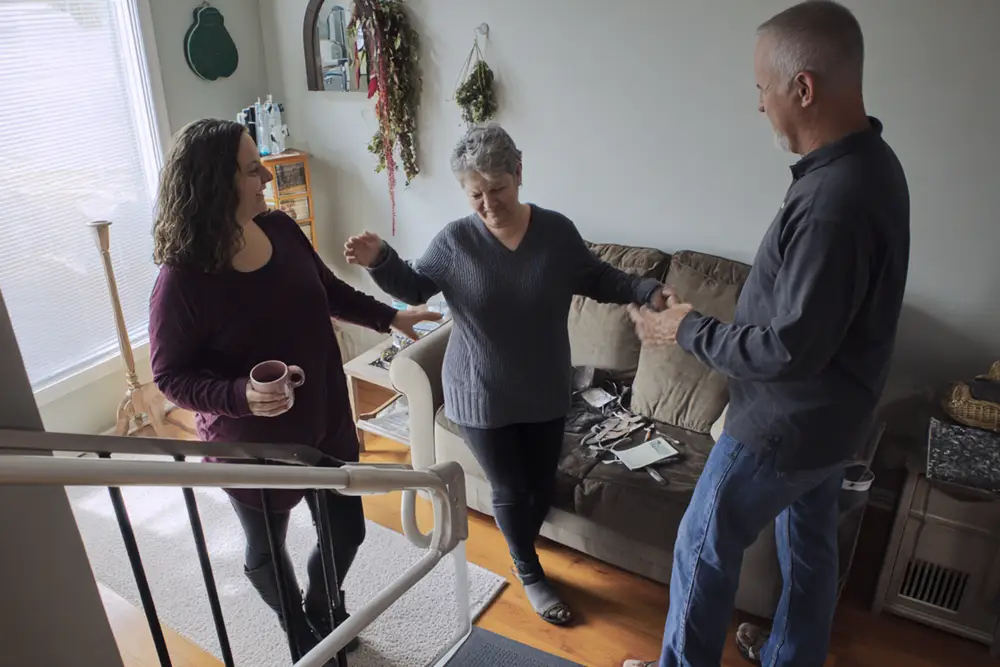
- Mobility support: Safe transfers, help with standing or walking.
- Medication reminders: Support to take medicines on time and track doctor's orders.
- Companionship and social engagement: Building friendships and joining the community.
- Nutritional planning: Healthy meals for special diets.
- Community access: Rides to therapy, school, or events with transportation services.
Some agencies, like At Home Healers, provide 24-hour home care, one-on-one sitter services, personalized plans, respite care for family breaks, and safe transportation.
Fall prevention is another important focus. Agencies help families reduce risks at home with step-by-step safety checks.
What to Consider When Choosing Home Care
Picking the right home care partner matters. Ask these questions before you decide:
- What is the level of care needed? Consider whether your loved one needs round-the-clock help, support a few days per week, or something in between.
- How are staff trained and screened? Good teams receive ongoing education and background checks.
- Is there a good fit with your family's culture and values? Trust and understanding are important for comfort and long-term results.
- Where does the agency provide care? Make sure they serve your area.
- Are services easy to start or adjust as needs change? Flexibility can make a big difference if a loved one's situation changes.
Quality, Safety, and Best Practices
Setting and Upholding Quality Standards
Making sure people with developmental disabilities get the best home care starts with strong rules and regular checks. In northeast Indiana, the state keeps a close eye on how home care agencies work. State agencies visit homes, check paperwork, and make sure everyone follows safety laws. They do this so families can feel safe and trust the help their loved ones receive.
Before anyone can work in a home care setting, they must pass a background check. This means checking their history to keep everyone safe. Staff also need proper credentials. This shows they have learned how to help people with developmental disabilities the right way. But training does not end when they start the job. Workers take more classes every year to stay sharp on best practices.
Person-Centered and Holistic Approaches
High-quality care begins with getting to know the person. Staff do not make all the rules alone. They invite individuals and families to help build personalized care plans. These plans look at what makes each person unique—from their strengths and likes to their hopes for the future.
Care works best when it's flexible. As people's needs change, teams can adjust the support given. Plans aren't set in stone. If someone wants to learn new skills or try new activities, their care plan changes too.
Staff also respect differences. They learn about cultures, beliefs, and even the traumas some people have faced. Being inclusive and kind helps everyone feel welcome and safe.
Family and Caregiver Support Systems
Caregiving is rewarding, but it's not always easy. Stress and exhaustion can sneak up on family members, so it's important to spot burnout early. Some warning signs include feeling overwhelmed, getting sick more often, or having trouble sleeping. That's when families can ask for help.
There are many respite care solutions in northeast Indiana, letting families take much-needed breaks. These allow caregivers to rest and recharge while knowing their loved one is safe.
Empowerment, Advocacy, and Independence
Technology-Enhanced Independence
Modern technology is changing how people with developmental disabilities live at home. Many families in Northeast Indiana are now using smart home tools. These can include devices that help with communication if someone has trouble speaking, reminders for daily tasks, or buttons that make turning on lights and appliances much easier.
Telehealth services have also become important. Health checks can now happen through video calls instead of trips to the doctor. This saves everyone time and lowers stress. Some home care providers offer remote check-ins, using apps or phone calls to see how someone is feeling and if any help is needed.
Examples of helpful tech tools:
- Tablets with speech apps for easier talking
- Smart watches or alarms for medication reminders
- Door sensors and accessible switches for safety
- Video chat systems for easy contact with care teams
These tools give people more control, confidence, and freedom in their daily lives.
Community Engagement
Getting out and about is important for everyone. Some families face challenges with rides to school, work, or fun places. Home care agencies step in with reliable transportation assistance. This helps people join in community life, volunteer, or try new hobbies.
Inclusion builds confidence. When people with developmental disabilities join activities outside the home, they learn new things and make friends. Having a reliable way to get around is a big part of making this possible.
At Home Healers Serves Northeast Indiana
Our trained caregivers provide specialized support for individuals with developmental disabilities throughout Northeast Indiana. We understand that every person has unique needs, abilities, and goals.
Contact us to learn more about our services and how we can support your family.
Frequently Asked Questions
What home care services help people with developmental disabilities?
Home care can include daily living assistance, personal hygiene support, meal preparation, medication management, social engagement activities, and transportation to appointments or community programs.
Does Medicaid cover home care for developmental disabilities in Indiana?
Yes, Indiana's Medicaid waiver programs, including the Community Integration and Habilitation (CIH) waiver, can help cover home care services for individuals with developmental disabilities who meet eligibility requirements.
At what age do people with developmental disabilities need home care?
Care needs vary by individual. Some people need support from childhood, while others may need increasing help as they age. Many adults with developmental disabilities benefit from in-home support to maintain independence.


