

What Is Sundowning?
Sundowning, also called "late-day confusion," is a pattern of increased confusion, agitation, and behavioral changes that occurs in the late afternoon and evening in people with dementia. According to the National Institute on Aging, sundowning affects many people with Alzheimer's disease and other forms of dementia, typically worsening as the disease progresses.
The term "sundowning" comes from the timing—symptoms often begin around sunset and can continue into the night. This can be one of the most challenging aspects of dementia care for families and caregivers.
Common Sundowning Symptoms
Sundowning can manifest in different ways, but common symptoms include:
- Increased confusion: More disoriented than during the day
- Agitation: Restlessness, pacing, and inability to settle
- Anxiety: Increased worry, fear, or paranoia
- Mood changes: Irritability, crying, or sudden mood swings
- Aggression: Verbal outbursts or physical resistance
- Wandering: Attempting to leave the house or pacing restlessly
- Shadowing: Following caregivers closely and becoming upset when separated
- Sleep disturbances: Difficulty falling asleep or staying asleep
- Hallucinations: Seeing or hearing things that aren't there
- Demanding behaviors: Insisting on leaving or doing something specific

What Causes Sundowning?
Researchers don't fully understand why sundowning occurs, but several factors likely contribute:
Possible Contributing Factors
- Disrupted circadian rhythm: Dementia can damage the brain areas that regulate the body's internal clock
- Fatigue: Mental and physical exhaustion accumulates throughout the day
- Low lighting: Shadows and dim light can cause confusion and increase disorientation
- Sensory overload: A day full of stimulation may become overwhelming
- Hunger or thirst: Unmet physical needs can trigger behavioral changes
- Pain or discomfort: Difficulty communicating discomfort may manifest as agitation
- Boredom: Less structured activity in evening hours
- Medications: Some medications may affect behavior as they wear off
- Sleep problems: Poor sleep quality can worsen symptoms
Strategies for Managing Sundowning
While sundowning cannot be completely eliminated, many strategies can reduce its frequency and intensity. Caregivers often find that a combination of approaches works best.
Maintain Consistent Daily Routines
Predictability helps reduce anxiety and confusion.
- Keep wake times, mealtimes, and bedtimes consistent
- Follow the same sequence of activities each day
- Plan more demanding activities for the morning when energy is highest
- Avoid schedule changes when possible
- Prepare for transitions by giving advance notice of what's coming next
Maximize Light Exposure
Light plays a crucial role in regulating the body's internal clock.
- Spend time outdoors in natural light, especially in the morning
- Keep rooms well-lit during the day
- As afternoon approaches, turn on lights before it gets dark to prevent shadowy confusion
- Consider light therapy (bright light exposure) in the morning
- Use nightlights in hallways, bedrooms, and bathrooms
Manage the Evening Environment
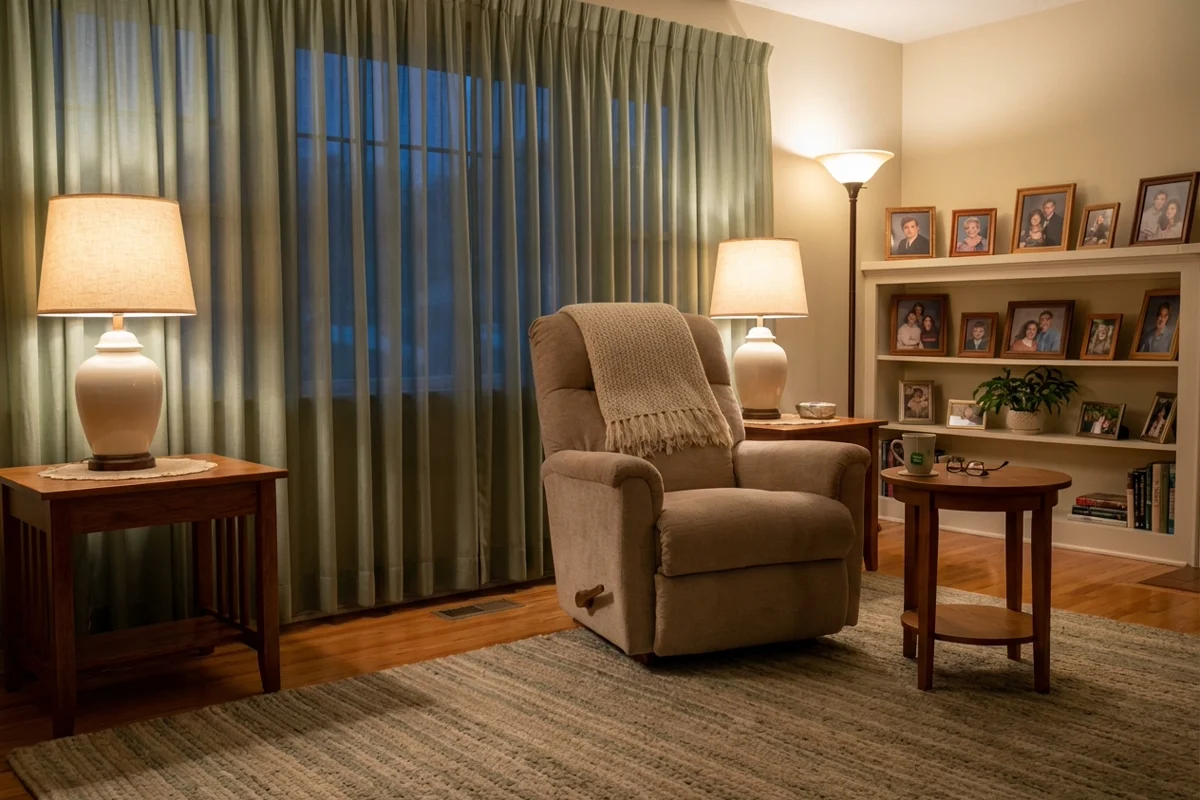
Create a calm, soothing atmosphere as evening approaches.
- Reduce noise and activity levels in late afternoon
- Turn off the television, especially news or shows with conflict
- Play soft, familiar music
- Close curtains to reduce shadows and reflections that may cause confusion
- Keep the environment comfortable (not too hot or cold)
Address Physical Needs
Unmet physical needs can trigger or worsen sundowning.
- Offer a nutritious snack in late afternoon—hunger can increase agitation
- Encourage fluids throughout the day, but limit caffeine and alcohol
- Ensure they're not in pain—watch for nonverbal cues
- Check if they need to use the bathroom
- Make sure clothing is comfortable and at the right temperature
Plan Meaningful Afternoon Activities
Engaging activities can redirect restless energy and reduce anxiety.
- Take a walk in the late afternoon (before sundowning typically begins)
- Engage in simple, calming activities like folding laundry, looking at photos, or gentle stretching
- Avoid overstimulating activities late in the day
- Provide comfort items like a stuffed animal, soft blanket, or familiar objects
Limit Afternoon Napping
Long or late naps can disrupt nighttime sleep and worsen sundowning.
- Keep daytime naps short (30 minutes or less)
- Avoid napping late in the afternoon
- Encourage activity during the day to promote natural tiredness at night
Review Medications
Some medications can affect behavior or sleep. Talk to the doctor about:
- Timing of medications—could they be adjusted to reduce evening effects?
- Medications that may cause sleep problems
- Whether any medications might be contributing to confusion
- Potential medications that might help manage severe sundowning
How to Respond During Sundowning Episodes
When sundowning occurs despite prevention efforts, these strategies can help:
Stay Calm and Reassuring
- Speak in a slow, calm, reassuring voice
- Don't argue or try to reason—this often increases agitation
- Validate their feelings: "I can see you're upset. I'm here with you."
- Use gentle touch if it's comforting to them
Redirect Rather Than Confront
- Distract with a favorite activity, snack, or topic of conversation
- Suggest a simple task: "Can you help me fold these towels?"
- Move to a different room for a change of scenery
- Put on familiar music from their past
Ensure Safety
- If wandering is a concern, ensure doors and exits are secured
- Remove potential hazards
- Don't leave them alone if they're very agitated
- If aggressive, give them space while staying nearby
Don't Take It Personally
- Remember that behavior changes are caused by the disease, not by the person
- Accusations and hurtful words are symptoms, not intentional
- Take breaks when you need them—caregiver stress makes everything harder
When to Seek Medical Help
Contact the doctor if:
- Sundowning is new or suddenly worse—this could indicate an infection or other medical problem
- Symptoms are severe and dangerous
- The person is not sleeping at all
- Behaviors are causing harm to themselves or others
- Current strategies aren't working
In some cases, medication may be recommended to help manage severe sundowning symptoms, though these are typically used cautiously due to potential side effects in older adults.
The Role of Professional Caregivers
Sundowning is one of the most exhausting aspects of dementia care. Professional dementia caregivers can help by:
- Providing consistent, trained presence during difficult hours
- Implementing proven strategies to reduce symptoms
- Allowing family caregivers to rest during evening hours
- Offering overnight care when sleep disturbances are severe
- Monitoring for patterns and reporting to healthcare providers
For families dealing with significant sundowning, 24-hour care ensures someone trained in dementia care is always present, including during the challenging evening and nighttime hours.
At Home Healers Dementia Care Services
At At Home Healers, our caregivers are trained to manage sundowning and other challenging dementia symptoms. With over 20 years of combined experience serving families in Fort Wayne and Northeast Indiana, we understand that dementia care requires specialized skills and patience.
Our specialized dementia care services include:
- Trained caregivers: Skilled in sundowning management and dementia communication
- Flexible scheduling: Coverage during high-risk hours or round-the-clock care
- Consistent routines: Helping maintain the structure that reduces symptoms
- Respite care: Giving family caregivers breaks during difficult evening hours
- Family support: Sharing strategies that work for your loved one
We serve families throughout Fort Wayne, Auburn, Columbia City, and surrounding Northeast Indiana communities.
Contact us for a free consultation to discuss dementia care support for your family.
Frequently Asked Questions
What causes sundowning in dementia patients?
The exact cause isn't fully understood, but triggers include fatigue, low lighting, disrupted internal body clock, overstimulation during the day, and unmet needs like hunger or pain. Changes in routine can also worsen symptoms.
What time does sundowning usually start?
Sundowning typically begins in the late afternoon or early evening, often around sunset. Symptoms can last a few hours or continue well into the night, which is why it's sometimes called 'late-day confusion.'
How can I calm a dementia patient during sundowning?
Keep the environment well-lit, maintain a consistent daily routine, reduce noise and stimulation in the evening, offer a light snack, play calming music, and speak in a gentle, reassuring voice. Avoid arguing or correcting them.


